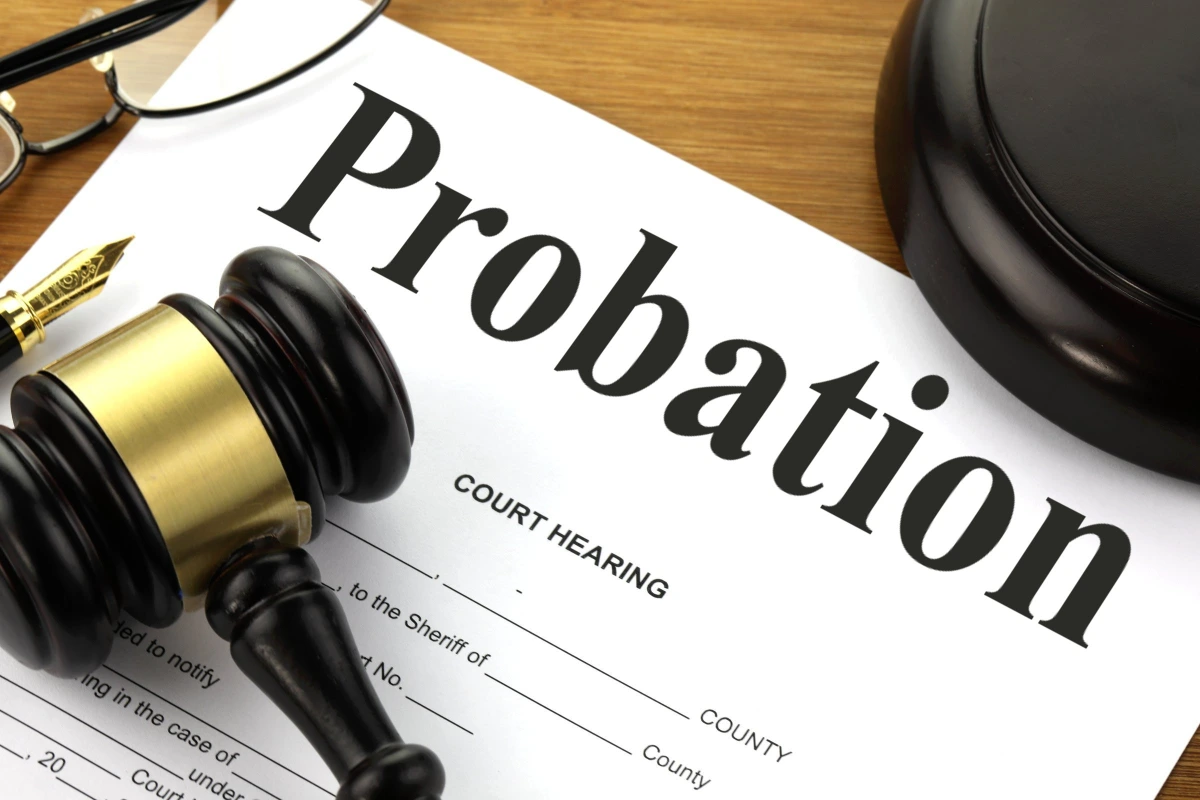
Simply put, probation means a testing period where someone gets a second chance instead of going to jail. The word comes from Latin and means “to test” or “to prove,” so probation is basically your chance to prove you can follow the rules and stay out of trouble.
Think of probation like getting a warning instead of being punished right away. When someone breaks the law but the judge thinks they deserve another chance, the judge can say “Instead of sending you to prison, I’ll let you stay in your community, but you have to follow strict rules and prove you can be good.”
Table of Contents
Why is Probation Important?
Probation is important because it gives people a chance to fix their mistakes without the harsh effects of going to prison. Prison can make it very hard for people to get jobs, housing, or rebuild their lives when they get out. Probation lets people stay with their families, keep their jobs, and contribute to society while still being punished for what they did wrong.
It also saves money for taxpayers because keeping someone in prison costs much more than supervising them in the community. Most importantly, probation helps people learn to live law-abiding lives instead of just punishing them.
How Does Probation Work?
When someone is convicted of a crime, the judge decides whether to send them to jail or give them probation. The judge looks at things like:
- Is this their first time breaking the law?
- How serious was the crime?
- Are they likely to commit more crimes?
- Do they have a job and family responsibilities?
If the judge chooses probation, the person must follow specific rules set by the court. These rules are like a contract – if you break them, you go to jail to serve your original sentence.
A probation officer – someone trained to help and monitor people on probation – will check on them regularly to make sure they’re following all the rules.
What Rules Do People on Probation Have to Follow?
People on probation typically must follow rules like:
Basic rules everyone gets:
- Don’t commit any new crimes
- Meet regularly with your probation officer
- Stay in a certain area (don’t leave the city or state without permission)
- Get a job or go to school
Additional rules based on the crime:
- Don’t drink alcohol or use drugs (with regular testing)
- Stay away from certain people or places
- Pay fines or money back to victims
- Do community service (like cleaning parks or helping charities)
- Go to counseling or treatment programs
- Follow a curfew (be home by a certain time)
Breaking any of these rules can send the person straight to jail.
What’s the Difference Between Probation and Parole?
This confuses many people, but they’re different:
Probation happens instead of going to jail – you get probation from the start.
Parole happens after someone serves time in prison – they get released early but still have to follow rules.
Think of it this way: probation is like getting a warning instead of being grounded, while parole is like being let out of your room early but still having to follow house rules.
What Are the Different Types of Probation?
There are four main types, from easiest to strictest:
Unsupervised Probation – You just have to stay out of trouble and follow basic rules. No regular check-ins with an officer. Usually for very minor crimes.
Supervised Probation – You must meet regularly with a probation officer who checks on you and helps you follow the rules.
Community Control Probation – Very strict supervision, sometimes with electronic monitoring (ankle bracelets that track where you go).
Shock Probation – You start in jail for a short time, then get released on probation. This “shocks” people into taking probation seriously.
Where is Probation Used?
Criminal probation is used in courts all over the world as an alternative to prison. It works best for:
- First-time offenders
- People who committed non-violent crimes
- Young people who made mistakes
- People with jobs and families to support
Academic probation happens in schools when students’ grades drop too low. They get a chance to improve before being kicked out.
Employment probation happens when you start a new job – your first few months are a “testing period” to see if you’re a good fit.
Can Probation Be Taken Away?
Yes, probation can be revoked (taken away) if someone breaks the rules. Here’s what happens:
- Violation reported – The probation officer or police catch you breaking a rule
- Court hearing – You get a chance to explain what happened
- Judge decides – The judge can give you another chance, add more rules, or send you to jail
The good news is that minor violations (like being a few minutes late to meet your probation officer) usually just result in warnings. Major violations (like committing new crimes) almost always mean going to jail.
Is Probation Better Than Going to Jail?

For most people, yes, but it depends on the situation. Probation is better because:
- You stay with your family and friends
- You can keep your job
- You avoid the dangerous and stressful environment of prison
- You get help and support to change your behavior
But probation can be challenging because:
- You have many rules to follow for months or years
- One mistake can send you to jail
- You have less freedom than other people
- You must pay for your own probation supervision in some places
The key is taking probation seriously and using it as a real opportunity to turn your life around.
Summary
Probation is a testing period that gives people convicted of crimes a chance to prove they can follow rules and stay out of trouble instead of going to jail. It comes with strict conditions like meeting with probation officers, staying crime-free, and often includes requirements like community service or counseling. There are different types ranging from unsupervised to heavily monitored probation. While it allows people to stay in their communities and maintain jobs and family relationships, violating probation rules can result in immediate jail time. Probation serves as both punishment and opportunity – a second chance that must be taken seriously to succeed.
Stay informed with the latest news, in-depth analysis, entertainment, technology, sports and exclusive insights like What is Probation, iPhone 17, Xavier Worthy, Anisimova, Matt Rife, and Brock Lesnar. Visit Buzz Explained for more top stories, updates, and expert coverage from all around the world!