Introduction
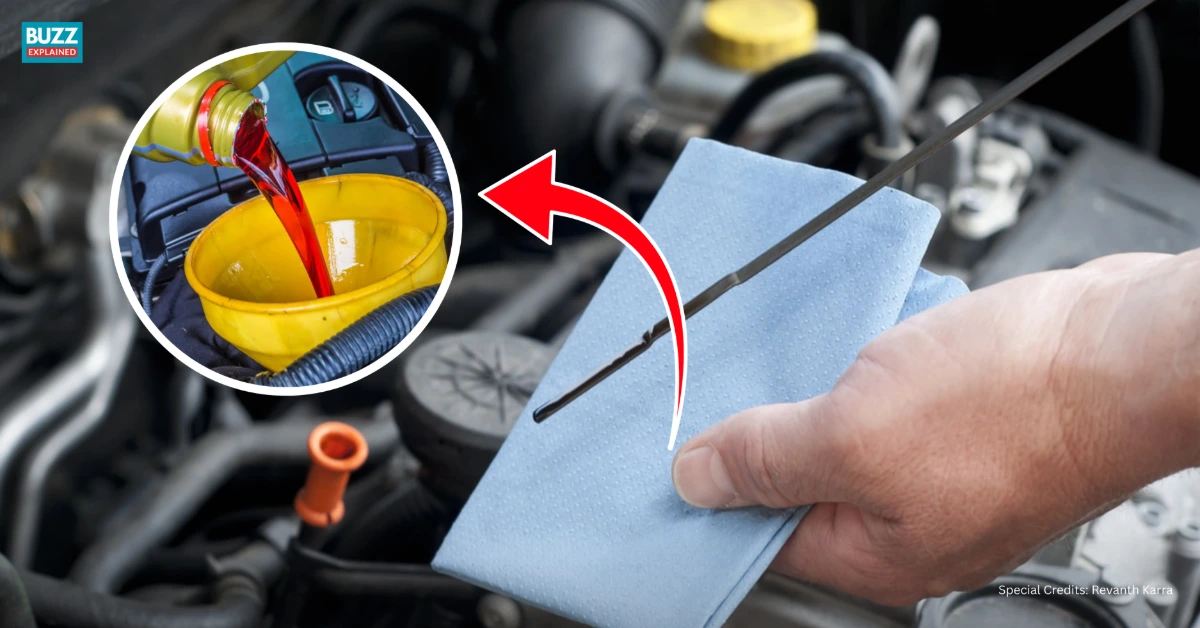
Checking transmission fluid means looking at a special oil in your car that keeps the gears working smoothly. Simply put, transmission fluid is the liquid that helps your car change gears without problems, and checking it means pulling out a long stick (called a dipstick) from your engine to see if you have enough of this oil. This fluid keeps all the moving parts inside your transmission from grinding against each other and breaking. When you check it, you make sure your car has the right amount and that the fluid looks healthy.
Most cars need you to check this fluid about once a month or at least once a year to avoid expensive repairs later. The good news is that checking transmission fluid is easy and takes only a few minutes.
Table of Contents
Why Do You Need to Check Transmission Fluid?
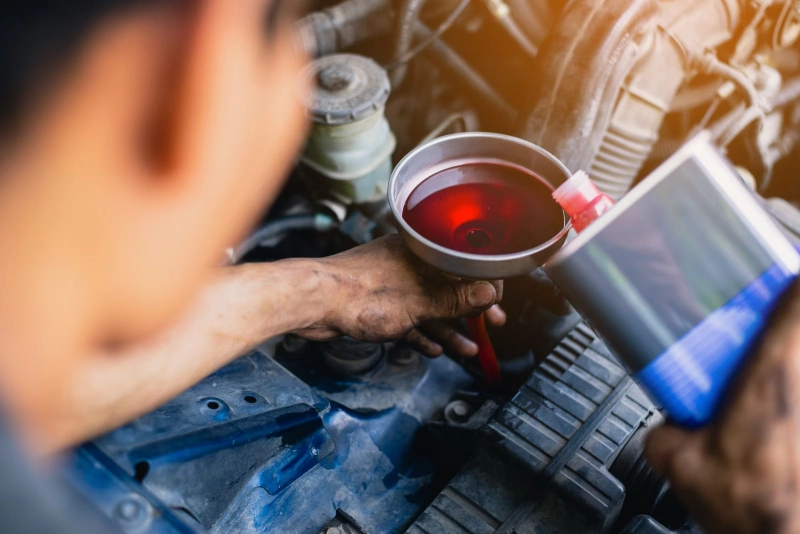
Your car’s transmission is like a bicycle’s gear system but much more complicated. The transmission fluid does several important jobs that keep your car running right :
- It stops metal parts from rubbing together and wearing out
- It keeps the transmission cool so it doesn’t overheat
- It helps your car change gears smoothly without jerking
- It cleans away tiny metal pieces that break off over time
When the fluid gets too low or too old, your transmission can break, and fixing it costs thousands of dollars. Checking the fluid regularly helps you catch problems early before they get expensive. If you don’t have enough fluid, your gears might slip, make strange noises, or refuse to change properly.
What Tools Do You Need?
The best part about checking transmission fluid is that you don’t need fancy tools. Here’s what you need:
- A clean cloth or paper towel to wipe the dipstick
- A flat surface to park your car
- Your car’s owner manual (helpful but not always necessary)
- A funnel if you need to add more fluid
- The right type of transmission fluid for your car (check your manual)
That’s it! You probably already have these things at home.
How to Check Transmission Fluid Step by Step
Follow these simple steps to check your transmission fluid safely and correctly :
Step 1: Park on Flat Ground
Park your car on a level, flat surface like a driveway or parking lot. If the car is on a slope, the fluid reading will be wrong. Put the car in “Park” and turn on the parking brake.
Step 2: Warm Up the Engine
Start your car and let it run for about 5 to 10 minutes. The transmission fluid needs to be warm to get an accurate reading. You can also drive the car for a short trip before checking. Keep the engine running while you check the fluid.
Step 3: Find the Transmission Dipstick
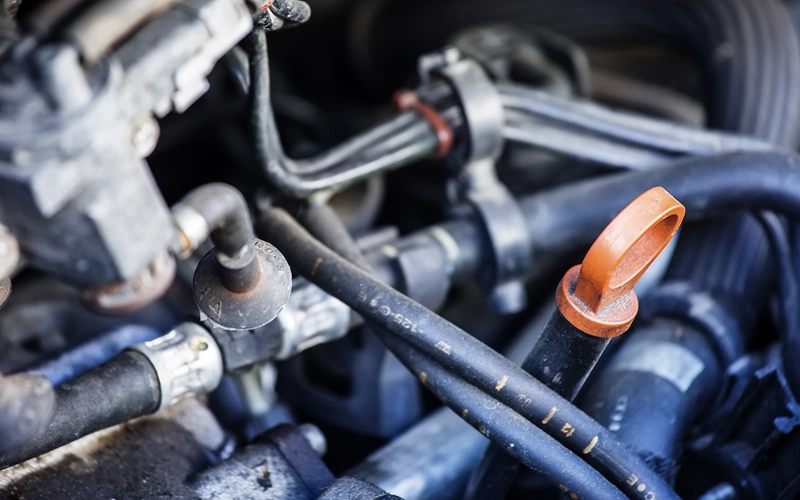
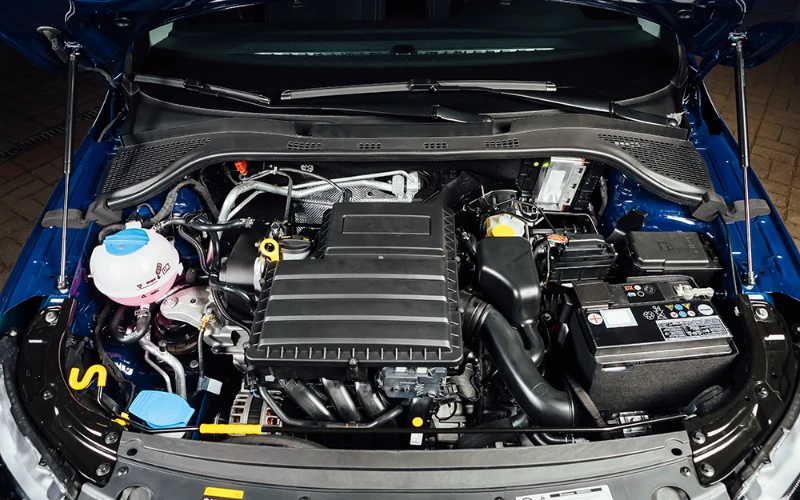
Open the hood of your car. Look for a dipstick with a brightly colored handle, usually yellow, orange, or red. It looks similar to the oil dipstick but is usually located toward the back of the engine. In front-wheel drive cars, it’s often on the driver’s side near the battery. In rear-wheel drive cars, it’s usually near the back of the engine. If you can’t find it, check your owner’s manual.
Step 4: Pull Out and Clean the Dipstick
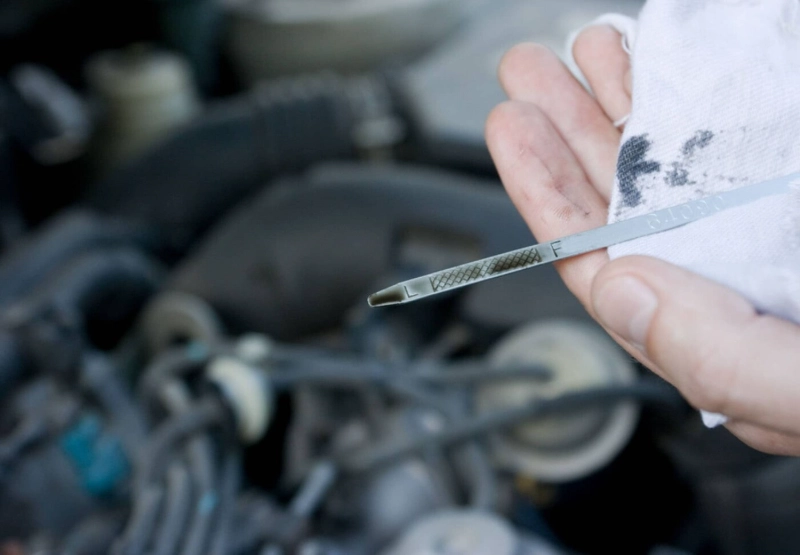
Pull the dipstick straight out of its tube. Wipe it completely clean with your cloth or paper towel. This removes old fluid so you can get a fresh, accurate reading.
Step 5: Check the Fluid Level
Put the clean dipstick all the way back into the tube. Wait a second, then pull it out again. Look at the end of the dipstick where you’ll see marks or lines. The marks usually say “Full” and “Add” or have two dots showing the safe range. The fluid should reach between these marks. If the fluid is below the “Add” line, you need to add more.
Step 6: Check the Fluid Color and Smell
Good transmission fluid should be bright red or pink and look clear or slightly see-through. Rub a little fluid between your fingers – it should feel smooth and slippery, not gritty. Smell the fluid – it should not have a burnt smell. If the fluid is dark brown or black, smells burnt, or feels gritty, you need to change it right away.
Step 7: Add Fluid If Needed
If the fluid level is low, you need to add more. Use a funnel to pour transmission fluid into the same tube where the dipstick goes. Add a little at a time and check the level again. Do not overfill – too much fluid can damage your transmission just like too little.
How Often Should You Check Transmission Fluid?
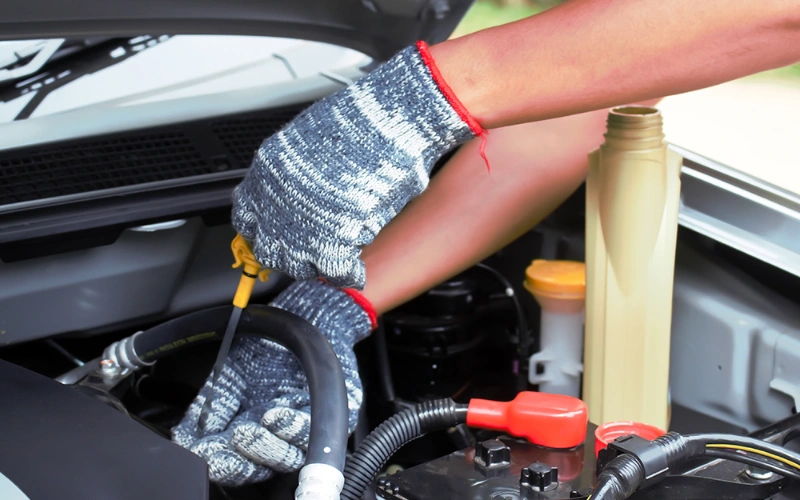
Most car experts say you should check your transmission fluid about once a month. This keeps you aware of any problems before they get serious. At minimum, check it once or twice a year. When you check your transmission fluid, it’s a good time to also check your engine oil and power steering fluid.
As for changing the fluid completely (called a “flush”), automatic transmissions usually need new fluid every 30,000 to 100,000 miles depending on your car. Manual transmissions need changes every 30,000 to 60,000 miles. Always follow what your car’s manual recommends.
Where Is the Transmission Dipstick Located?
The location of your transmission dipstick depends on what type of car you have :
The dipstick handle is usually brightly colored (yellow, orange, or red) to make it easy to spot. If you still can’t find it, your car might have a sealed transmission (explained below).
What If Your Car Doesn’t Have a Dipstick?
Many newer cars don’t have a transmission dipstick at all. These cars have what’s called a “sealed transmission”. This means you cannot check the fluid yourself. The car’s computer monitors the fluid level automatically.
Cars that often have sealed transmissions include :
- Cadillac Catera
- Saturn ION and Vue
- Lincoln Navigator
- Chevrolet Aveo and Equinox
- Chrysler 300 (some models)
- Ford cars (newer models)
- Mazda Miata and MPV
- Toyota GR Supra 3.0
If you have a sealed transmission, you need to take your car to a mechanic or dealership to check the fluid. You should still follow your car’s maintenance schedule for fluid changes.
What Does Bad Transmission Fluid Look Like?
Knowing what healthy and unhealthy transmission fluid looks like helps you spot problems early :
If you notice any of the bad signs, take your car to a mechanic as soon as possible. Driving with bad transmission fluid can destroy your transmission.
What’s the Difference Between Manual and Automatic Transmission Fluid?
Manual and automatic transmissions use different types of fluid :
Manual transmission fluid is thicker and darker because manual gearboxes have heavier-duty gears that need stronger protection. Manual transmissions often don’t have a dipstick, and you usually need to take the car to a mechanic to check the fluid.
Automatic transmission fluid is thinner and lighter colored because it needs to flow through tiny passages in the transmission. Most automatic transmissions have a dipstick that makes checking easy.
Never mix the two types or use the wrong fluid for your car. Always check your owner’s manual to see what type of transmission fluid your car needs.
Signs Your Transmission Fluid Is Low
Your car will give you warning signs when transmission fluid is low or bad :
- Gears slip or don’t change smoothly
- Strange grinding, whining, or clunking noises when shifting
- Delay when you shift from Park to Drive
- Car hesitates or jerks during acceleration
- Burning smell coming from under the hood
- Transmission warning light turns on
- Puddle of red fluid under your car
If you notice any of these signs, check your transmission fluid right away. Driving with low fluid damages your transmission quickly.
Can You Check Transmission Fluid When the Car Is Cold?
For the most accurate reading, you should check transmission fluid when the engine is warm. Cold fluid gives a lower reading because fluid expands when it heats up. However, some car manuals say to check the fluid when cold. Always follow what your specific car’s manual recommends.
If your manual says to check when warm, drive the car for 10-15 miles before checking to make sure the transmission reaches normal operating temperature. A quick trip around the block is not enough.
What Happens If You Overfill Transmission Fluid?
Adding too much transmission fluid is just as bad as having too little. When you overfill the transmission :
- The fluid foams up and doesn’t lubricate properly
- Seals can leak from too much pressure
- The transmission can overheat
- Gears might slip or shift badly
Always add transmission fluid slowly and check the level frequently. It’s better to add a little at a time than to pour too much at once.
Summary
Checking transmission fluid is a simple task that takes only 5-10 minutes and can save you thousands of dollars in repairs. Park your car on flat ground, warm up the engine, find the brightly colored dipstick, and pull it out to check the level and condition. The fluid should be bright red or pink, reach the “Full” mark on the dipstick, and smell clean. Check your fluid about once a month and change it according to your car’s maintenance schedule. If your car has a sealed transmission without a dipstick, let a mechanic check it during regular service visits. Catching transmission problems early by checking the fluid regularly keeps your car running smoothly and prevents expensive breakdowns.
Stay informed with the latest news, in-depth analysis, entertainment, technology, sports and exclusive insights like what does chalk on tires do, Google Baseball, ChatGPT Atlas, Colman Domingo, and Brandon Graham. Visit Buzz Explained for more top stories, updates, and expert coverage from all around the world!