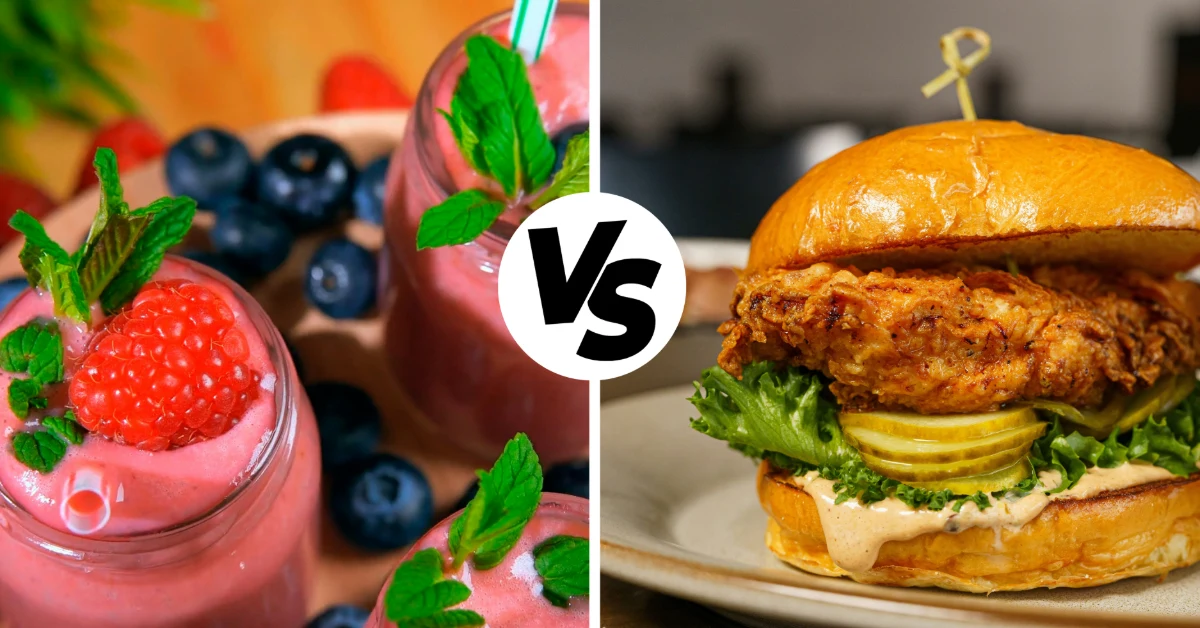
What can you eat after tooth extraction?
After tooth extraction, eat soft, cool, easy-to-chew foods, such as:
- Yogurt
- Mashed potatoes
- Scrambled eggs
- Smoothies
- Blended soups
- Pudding
- Applesauce
- Ice cream
Avoid hot, hard, crunchy, spicy, or sticky foods after tooth extraction to prevent pain or dry socket. Most people can return to normal eating within 1-2 weeks.
Table of Contents
What Can You Eat After Tooth Extraction?
After a tooth extraction, you need soft foods that won’t disturb your healing mouth. Simply put, eat foods like yogurt, mashed potatoes, scrambled eggs, smoothies, blended soups, and ice cream for the first 2-3 days.
Think of it this way: your mouth just had minor surgery, and there’s now a wound where your tooth was. That wound needs protection from hard, hot, or spicy foods. Eating the right soft foods helps you heal faster and prevents painful complications like dry socket (when the protective blood clot gets dislodged).
The golden rule is simple—if you have to chew hard, skip it for now. Stick with smooth, gentle foods that need little to no chewing.
Why Does Food Choice Matter After Tooth Extraction?
What you eat directly affects your healing speed and recovery quality.
- Wrong foods = complications: Hard, hot, or spicy foods can dislodge the blood clot, causing painful dry socket
- Right foods = faster healing: Soft, nutrient-rich foods speed up tissue repair
- Protein is essential: Your body needs protein to rebuild tissue and fight infection
- Temperature matters: Hot foods dissolve blood clots; cool foods reduce swelling
- Hydration is critical: Proper fluids support your body’s natural healing process
The Blood Clot is Key
When your tooth is removed, a blood clot forms in the empty socket. This clot protects the bone and nerves underneath. If the clot gets dislodged, you get dry socket—which is extremely painful.
Smart food choices protect this clot and speed up healing.
Complete Phased Recovery Timeline: What to Eat When
Your diet changes as you heal. Follow this three-phase approach:
Phase 1: First 24 Hours – Liquids and Very Soft Foods
This is the most delicate time. The blood clot is just forming, so you need to be extra careful.
| Food Type | Examples |
|---|---|
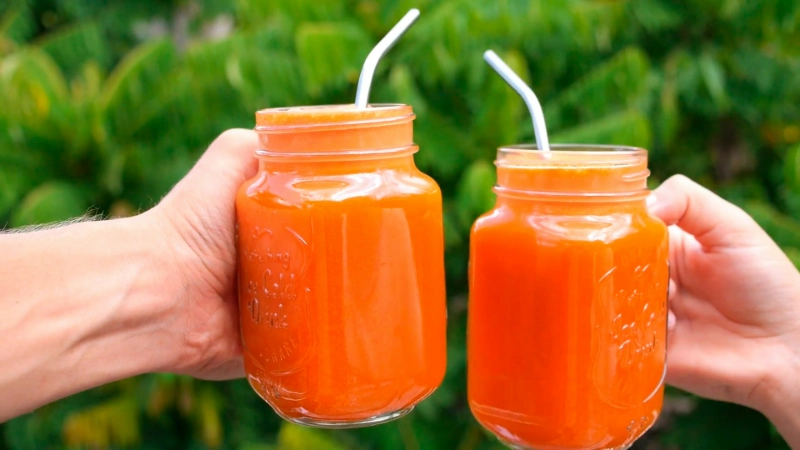
| Liquids | Water, bone broth, coconut water, vegetable juice, protein shakes |
| Frozen Treats | Ice cream, gelato, popsicles, frozen yogurt (reduces swelling & numbs pain) |
| Soft Dairy | Yogurt, cottage cheese, pudding, custard, ricotta cheese |
| Blended Foods | Smoothies (no straw!), protein shakes, pureed soups (lukewarm only) |
| Easy Fruits | Applesauce, mashed bananas, pureed berries, mashed avocado |
| Simple Foods | Scrambled eggs (very soft), Jell-O, tapioca pudding |
Temperature Rule for Day 1: Everything must be room temperature or cool—NEVER hot. Hot foods dissolve the blood clot.
Avoid Entirely on Day 1:
- Hot drinks (coffee, tea)
- Hard or crunchy foods
- Spicy foods
- Sticky foods
- Anything requiring chewing
Phase 2: Days 2–7 – Soft Foods with Minimal Chewing
By day 2, the blood clot is stabilizing. You can now introduce soft foods that require gentle chewing.
Proteins (Essential for Tissue Repair)
- Soft scrambled eggs
- Poached or boiled eggs
- Greek yogurt (high protein)
- Cottage cheese
- Soft cheeses (ricotta, mozzarella, brie)
- Ground meat (beef, chicken, turkey)
- Flaked salmon or white fish (tilapia, cod)
- Silken tofu
Carbohydrates (Energy for Healing)
- Mashed potatoes (with gravy)
- Sweet mashed potatoes
- Soft-cooked pasta (macaroni, spaghetti)
- Well-cooked noodles
- Oatmeal (cooled, instant varieties)
- Cream of wheat
- Soft bread (not toasted, no crust)
- Rice (overcooked)
- Risotto
Vegetables (Vitamins for Wound Healing)
- Mashed cauliflower
- Pureed carrots
- Mashed peas
- Cooked squash
- Steamed broccoli (soft pieces)
- Pureed spinach
- Cooked zucchini
Fruits (Vitamin C for Tissue Repair)
- Mashed bananas
- Applesauce
- Mashed avocado
- Pureed berries
- Canned fruit (in juice)
- Mashed pumpkin
Soups & Broths
- Lentil soup (blended)
- Vegetable soup (pureed)
- Butternut squash soup
- Chicken or beef broth
- Bone broth (healing amino acids)
- Crab or shrimp bisque
Snacks & Desserts
- Ice cream
- Frozen yogurt
- Pudding (chocolate, vanilla, rice)
- Custard
- Jell-O
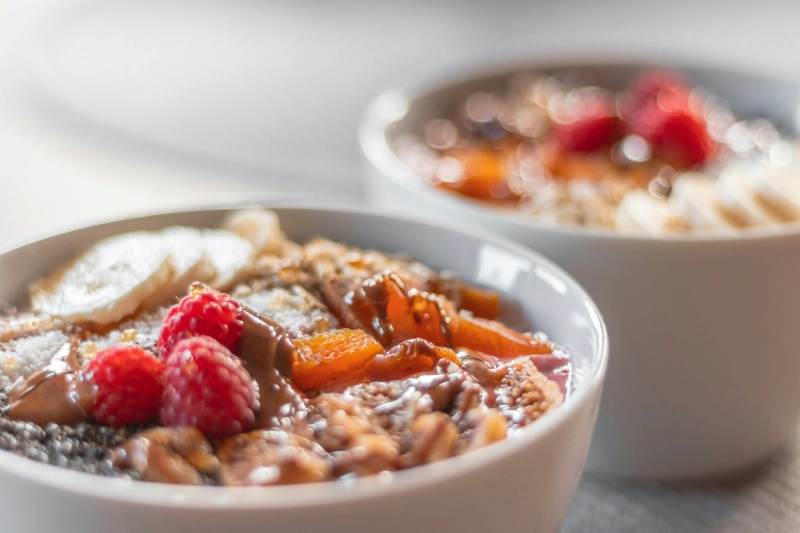
- Chia pudding
- Milkshakes
Pro Tip: Set up a “puree bar” by blending vegetables like zucchini or cauliflower with bone broth for varied, nutrient-packed meals.
Phase 3: Days 5-7+ – Gradual Return to Normal Foods
By days 5-7, you can slowly reintroduce foods with more texture. But still be cautious to avoid setbacks.
- Macaroni and cheese
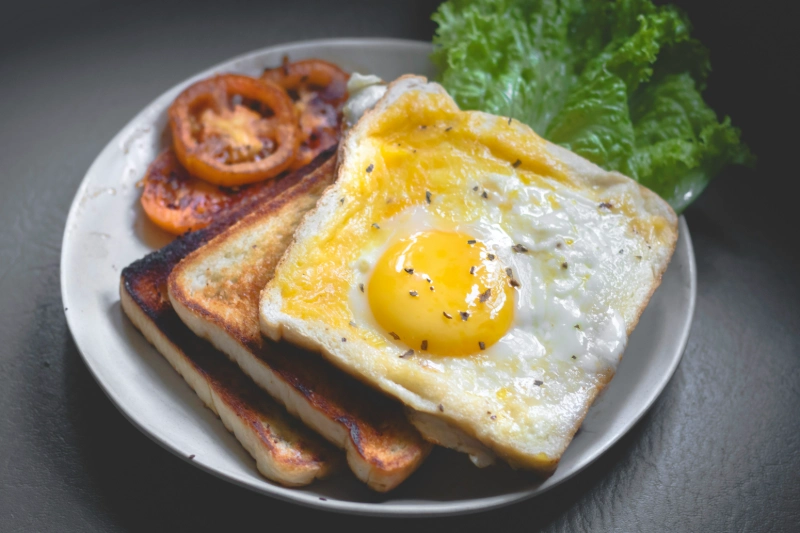
- Soft toast (not crusty)
- Instant oatmeal with toppings
- Scrambled eggs with toast
- Ground meat dishes
- Soft-boiled or poached eggs
- Soft-cooked vegetables
- Cooked noodles with sauce
- Canned tuna or chicken
- Soft grain bowls with vegetables
When Can You Eat Normal Foods?
- Simple extractions: 1-2 weeks
- Multiple extractions: 2-3 weeks
- Wisdom teeth: 3-4 weeks
Signs You’re Ready for Normal Foods:
- Pain has completely stopped
- Swelling is gone
- You can open your mouth fully
- No bleeding when eating soft foods
Always check with your dentist before advancing to harder foods.
The 50 Best Soft Foods After Tooth Extraction
Here’s a complete list of foods you can safely enjoy during recovery:
Complete Soft Foods Master List
Breakfast Options
1. Oatmeal (cooled)
2. Cream of wheat
3. Scrambled eggs
4. Poached eggs
5. Greek yogurt
6. Cottage cheese
7. Soft-cooked eggs
8. Cream cheese
9. Cereal with milk (soft)
10. Smoothies
Lunch & Dinner Proteins
11. Ground beef
12. Soft fish (salmon, tilapia)
13. Soft chicken
14. Egg salad (no bread)
15. Tuna salad
16. Tofu (silken)
17. Soft cheese
18. Beans (pureed or canned)
19. Lentils (soft-cooked)
20. Hummus
Carbohydrates
21. Mashed potatoes
22. Sweet potatoes (mashed)
23. Soft pasta
24. Well-cooked rice
25. Risotto
26. Polenta
27. Porridge
28. Soft bread
29. Noodles (all types)
30. Soft wraps
Vegetables
31. Pureed carrots
32. Mashed peas
33. Steamed broccoli
34. Cooked squash
35. Pureed spinach
36. Mashed cauliflower
37. Cooked zucchini
38. Soft-cooked green beans
39. Steamed asparagus
40. Pureed beets
Fruits
41. Applesauce
42. Mashed bananas
43. Pureed berries
44. Mashed avocado
45. Canned fruit (in juice)
46. Pureed peaches
47. Mashed pumpkin
48. Pureed strawberries
49. Blended fruit
50. Mashed kiwi
Soups & Broths
- Bone broth
- Vegetable broth
- Blended tomato soup
- Butternut squash soup
- Lentil soup
- Chicken soup (pureed)
Desserts & Treats
- Ice cream
- Pudding
- Jell-O
- Custard
- Gelato
- Frozen yogurt
- Milkshakes
- Chia pudding
- Rice pudding
- Tapioca pudding
Foods to Strictly Avoid After Tooth Extraction
Knowing what NOT to eat is just as important as knowing what you can eat.
Complete List of Foods to Avoid
| Food Category | Examples | Why Avoid |
|---|---|---|
| Hot Foods | Hot soup, coffee, tea, hot chocolate, hot broth | Dissolves blood clot → dry socket |
| Hard Foods | Chips, popcorn, nuts, crackers, apples, carrots (raw) | Gets stuck or damages wound |
| Crunchy Foods | Raw veggies, toast crust, granola, cereal | Forces hard chewing, disturbs clot |
| Chewy Foods | Steak, jerky, caramels, gum, toffee, beef jerky | Excessive chewing strains healing |
| Spicy Foods | Chili, curry, hot sauce, jalapeños, wasabi | Irritates and stings extraction site |
| Acidic Foods | Citrus juice, tomatoes, pineapple, vinegar | Burns and irritates the wound |
| Sticky Foods | Candy, caramel, taffy, honey, sticky candy | Pulls at healing tissue |
| Seeded Foods | Sesame seeds, poppy seeds, chia seeds, berries with seeds | Gets stuck in extraction socket |
| Alcohol | Beer, wine, liquor, spirits | Slows healing, interferes with medication |
| Carbonated | Soda, energy drinks, sparkling water | Irritates and disturbs wound |
| High-Sugar | Candy, cookies, sugary drinks | Increases infection risk |
| Tobacco | Cigarettes, chewing tobacco, vaping | Delays healing, causes dry socket |
NEVER use straws for at least 5-7 days. The sucking motion dislodges the blood clot, causing dry socket—which is extremely painful and requires treatment.
DO NOT smoke or use tobacco for at least 48-72 hours after extraction. Smoking is a primary cause of dry socket.
Why Temperature Matters After Tooth Extraction
Temperature control is critical for healing success.
- Dissolves the protective blood clot
- Causes painful dry socket
- Increases bleeding and swelling
- Irritates sensitive tissue
- Slows the healing process
- Reduces swelling by constricting blood vessels
- Naturally numbs pain
- Protects the blood clot
- Provides comfort
- Speeds healing
The Perfect Temperature: Room temperature or cool for the first 5 days. After day 5, you can have warm (not hot) foods.
Ice cream and popsicles are actually perfect choices—they reduce swelling, numb pain, AND protect the blood clot!
Best Nutrients for Faster Healing
Your body needs specific nutrients to repair tissue and fight infection.
Essential Nutrients & Where to Find Them
| Nutrient | Why It’s Important | Food Sources |
|---|---|---|
| Protein | Rebuilds tissue, fights infection | Eggs, yogurt, salmon, cottage cheese, ground meat |
| Vitamin C | Repairs tissue, boosts immunity | Applesauce, mashed pumpkin, berry smoothies |
| Vitamin A | Essential for tissue repair | Mashed sweet potatoes, pureed carrots, spinach |
| Vitamin K | Supports blood clotting | Pureed spinach, kale in smoothies |
| Zinc | Accelerates wound healing | Greek yogurt, eggs, salmon, cottage cheese |
| Calcium | Supports bone healing | Yogurt, cottage cheese, milk, cheese |
| Iron | Fights infection, builds strength | Spinach in soups, salmon, scrambled eggs |
| Omega-3s | Reduces inflammation | Salmon, white fish, chia in smoothies |
| Healthy Fats | Provides energy and reduces inflammation | Avocado, olive oil, coconut milk |
Pro Strategy: Include one protein source at every meal to maximize healing speed.
Best Meal Ideas You Can Actually Enjoy
Real meals that are delicious AND healing:
- Soft scrambled eggs with mashed avocado
- Greek yogurt with mashed banana
- Protein smoothie (berries, protein powder, milk)
- Oatmeal with applesauce
- Cottage cheese with pureed pumpkin
- Cream of wheat with soft fruit
- Blended butternut squash soup
- Mashed potatoes with gravy and soft carrots
- Macaroni and cheese (comfort food!)
- Egg salad on soft bread
- Pureed lentil soup
- Hummus by itself or with soft pita
- Soft pasta with butter or cream sauce
- Pureed vegetable soup with soft bread
- Flaked salmon with mashed sweet potatoes
- Soft-cooked tofu with risotto
- Ground beef with mashed potatoes
- Creamy polenta with pureed spinach
- Ice cream (reduces swelling!)
- Pudding or custard
- Fruit smoothies
- Yogurt with applesauce
- Jell-O
- Chia pudding
- Milkshakes
Hydration: The Secret to Fast Healing
Staying hydrated is critical for tooth extraction recovery.
- Water (most important—drink plenty!)
- Coconut water (natural electrolytes)
- Bone broth (protein + hydration + amino acids)
- Vegetable juice (nutrients + hydration)
- Fruit smoothies (nutrition + fluid)
- Herbal tea (lukewarm after day 3, no caffeine initially)
- Milk or plant-based milk
- Protein shakes
- Hot coffee or tea (first 5 days)
- Alcohol (slows healing)
- Soda and carbonated drinks
- Acidic juices (orange, grapefruit, lemon)
- Energy drinks
- Any drink through a straw
How to Prevent Dry Socket Through Smart Eating
Dry socket is the most common complication. Smart food choices prevent it.
A blood clot forms in the extraction socket to protect the bone and nerves. If the clot is dislodged or dissolves, you get dry socket—causing severe pain that medication can’t always relieve.
Food Choices That Prevent Dry Socket
| Prevention Strategy | How It Helps |
|---|---|
| Eat soft foods | Requires minimal chewing, protects the clot |
| Avoid hot foods | Hot temperatures dissolve the clot |
| Skip hard/crunchy | Hard foods can dislodge the clot |
| Don’t use straws | Sucking action removes the clot |
| Avoid spicy foods | Spices irritate the wound and disturb healing |
| Choose cool foods | Cold foods protect and stabilize the clot |
| Avoid smoking | Tobacco smoke disrupts the clot |
Symptoms of Dry Socket (Call your dentist immediately):
- Severe pain after 3-4 days
- Bad taste or odor in mouth
- Visible empty socket (no clot)
- Pain radiating to jaw or ear
Special Dietary Considerations
Everyone’s dietary needs are different. Here are tailored options:
Vegan Diet After Tooth Extraction
- Silken tofu
- Lentil purees
- Chia pudding
- Mashed avocado
- Coconut milk-based puddings
- Nutritional yeast (for B vitamins)
- Plant-based yogurt
- Blended vegetable soups with olive oil
Gluten-Free Diet After Tooth Extraction
- Gluten-free oats
- Quinoa (well-cooked, soft)
- Rice-based dishes
- Corn polenta
- Gluten-free bread (soft)
- Rice noodles
- Mashed potatoes
- Pureed vegetables
Low-Sugar Diet After Tooth Extraction
- Unsweetened yogurt
- Cottage cheese
- Stevia or monk fruit sweeteners
- Vegetable-based soups
- Sugar-free pudding
- Eggs and fish
- Healthy fats (avocado, olive oil)
Diabetic-Friendly After Tooth Extraction
- Low-glycemic vegetables
- Protein-rich soft foods
- Sugar-free options
- Controlled portions
- Monitor blood sugar carefully during recovery
When to Call Your Dentist
Seek immediate help if you experience any of these:
- Severe pain (not controlled by medication) after 3-4 days
- Excessive bleeding lasting more than 24 hours
- Fever or chills (signs of infection)
- Facial swelling that gets worse, not better
- Pus or discharge from the extraction site
- Difficulty swallowing or breathing
- Persistent foul taste or odor from socket
- Numbness that doesn’t improve after a few days
- Dry socket symptoms: severe pain, visible empty socket
These signs may indicate infection, dry socket, or other complications requiring professional treatment.
General Eating Tips for Smooth Recovery
Follow these practices for optimal healing:
- Chew on opposite side: Keep all food away from extraction site
- Take tiny bites: Don’t overload your mouth
- Eat slowly: Give yourself time to safely consume food
- Test temperature first: Always check foods aren’t too hot
- Eat smaller meals more often: Frequent small meals prevent strain
- Stay upright while eating: Don’t lie down during meals
- Wait 24 hours before rinsing: Then gently rinse with warm salt water
- Never spit forcefully: This dislodges the blood clot
- Avoid touching the area: Don’t poke the extraction site with your tongue
- Rest from strenuous activity: Avoid heavy exercise for 48 hours
Recovery Timeline Summary
What to expect during your healing process:
| Time Period | What Happens | What to Eat |
|---|---|---|
| First 24 Hours | Blood clot forms, maximum swelling | Liquids, ice cream, yogurt, smoothies |
| Days 2-3 | Swelling peaks, blood clot stabilizes | Soft foods, mashed potatoes, eggs, pudding |
| Days 4-7 | Swelling decreases, healing accelerates | Semi-soft foods, pasta, soft bread, fish |
| Week 2 | Pain mostly gone, can open mouth more | Most soft foods, some normal foods |
| Weeks 3-4 | Mostly healed, minimal discomfort | Return to normal diet gradually |
Most people feel significantly better by day 3 and completely healed within 1-2 weeks.
Simple Summary
After tooth extraction, eat soft, cool, easy-to-chew foods like yogurt, mashed potatoes, scrambled eggs, ice cream, smoothies, and blended soups. Avoid hot, hard, crunchy, spicy, or sticky foods for at least 5-7 days to prevent dry socket. Your body needs protein and nutrients to heal, so choose nutrient-rich foods. Most people can return to normal eating within 1-2 weeks.
Key Things to Remember About Eating After Tooth Extraction:
- Day 1: Liquids and very soft foods only (ice cream, smoothies, pudding)
- Days 2-7: Soft foods requiring minimal chewing (pasta, bread, mashed vegetables)
- Week 2+: Gradually introduce more texture and normal foods
- Never eat hot foods in the first 5 days—major dry socket risk
- Don’t use straws—causes painful complications
- Include protein at every meal—accelerates healing
- Stay hydrated—drink plenty of water
- Most healing happens within 1-2 weeks from extraction
- If pain increases after day 3, call your dentist—might be dry socket
- Temperature matters: Cool foods heal, hot foods cause problems
Bottom Line: Tooth extraction recovery is quick and easy when you follow the right diet. Choose soft, cool, nutrient-rich foods, strictly avoid problem foods, keep yourself hydrated, and let your mouth heal properly. Within weeks, you’ll be back to enjoying all your favorite foods without any restrictions!
Stay informed with the latest news, in-depth analysis, entertainment, technology, sports and exclusive insights like what is a chemical pregnancy, what is a latte, difference between tuxedo and dinner suit, and Kimberly Clark. Visit Buzz Explained for more top stories, updates, and expert coverage from all around the world!