Inflation is how fast prices rise over a period, most often a year. To measure it, government agencies track the cost of a basket of everyday items. The idea is simple.
Filling the basket
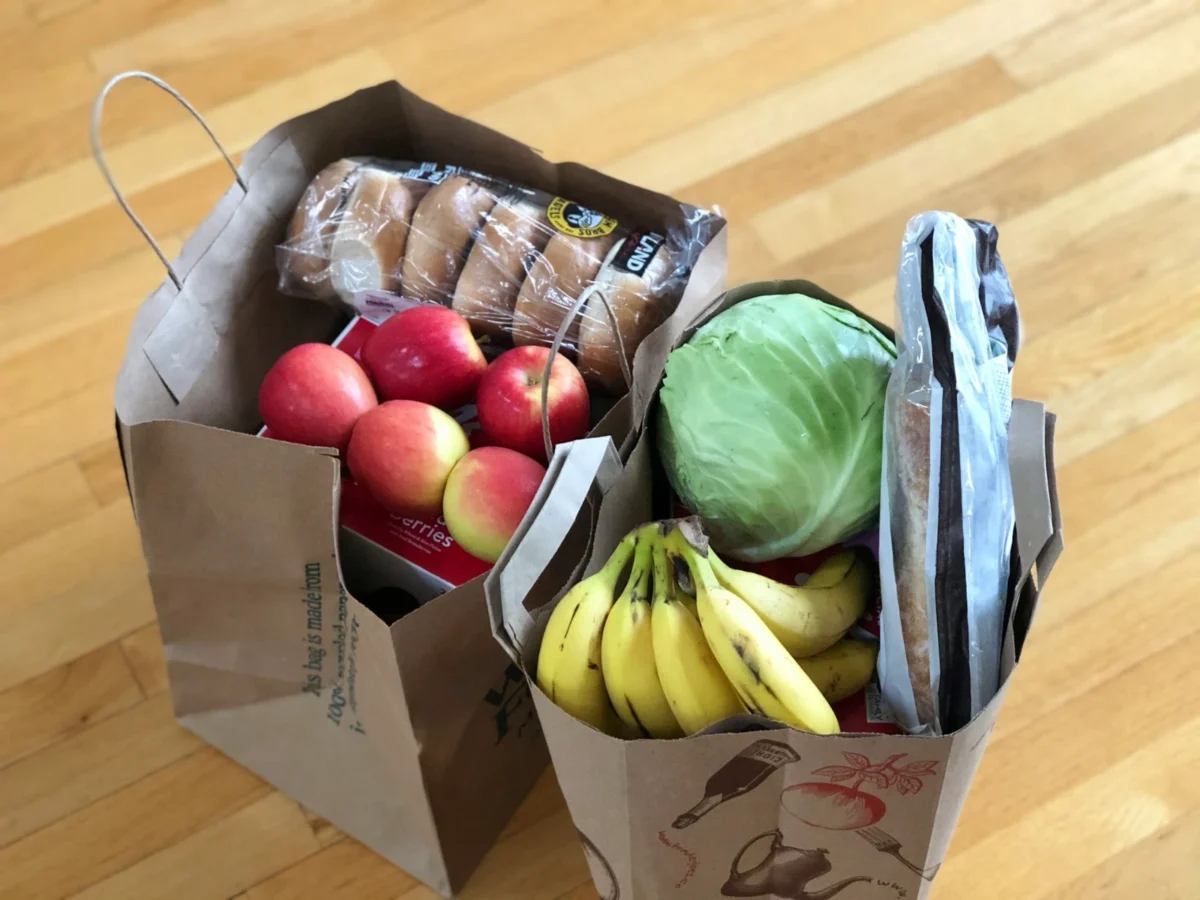
Agencies run household surveys to find out what people commonly buy. The cost of living depends on many prices, and on how much of a budget each one takes. In the United States, housing costs are the biggest part of the basket, says the IMF.
Basket to percentage
Compare the basket’s cost now with its cost in a base year. That gives you the consumer price index, or CPI. The change in the CPI over a period is consumer price inflation. If the base year CPI is 100 and today’s is 110, inflation is 10 percent.
The basket mostly stays the same, so comparisons stay fair. Now and then it is updated, for example to add new high-tech goods.
Leaving out the jumpy prices
Core inflation skips prices set by the government. It also skips volatile prices, such as food and energy. Policymakers watch it closely because it shows the steadier trend.
Inflation for a whole economy, and not just for shoppers, needs a wider index such as the GDP deflator. The IMF says it includes items like military spending. That makes it a poor measure of the cost of living.
Pay that falls behind
If pay rises more slowly than prices, people can afford less. Economists call this a fall in real income, which means income after inflation. The IMF calls this loss of buying power the single biggest cost of inflation.
Prices do not all move together. Some, like traded commodities, change every day. Wages set by contract take longer to adjust. Economists call them sticky.
Falling prices are not good news
Deflation, or falling prices, can hurt too. Shoppers may delay buying when they expect lower prices. The IMF says that means less activity, less income for producers and slower growth. It pointed to Japan, which had a long period of almost no growth, largely because of deflation.
Where rising prices come from
The IMF names several causes. Too much money in an economy can make a currency worth less. A supply shock, such as a natural disaster or high oil prices, can push costs up. Demand that outruns what an economy can produce can do the same. Expectations matter too. Workers and firms build expected rises into wage deals.
Most economists now think low, stable and predictable inflation is good for an economy. The article dates from March 2010. Use it to understand how the measure works, not for today’s rates.