A place joins the World Heritage List only if it has outstanding universal value. It must also meet at least one of ten tests. Meeting just one is enough.
Where the list comes from
World Heritage is a UNESCO effort. It rests on a treaty adopted in 1972: the Convention concerning the Protection of the World Cultural and Natural Heritage. UNESCO says these sites belong to all the peoples of the world, no matter where they are.
The rule book
The ten tests are set out in a text called the Operational Guidelines. Along with the Convention itself, it is the main working tool for World Heritage. The Committee revises the tests from time to time, as the idea of heritage changes.
Six plus four became ten
Until the end of 2004, there were two lists of tests. Six were for culture and four were for nature. The revised Guidelines merged them into one set of ten.
Tests about people
The first six tests deal with human work and culture. Test one asks for a masterpiece of human creative genius. Others look for proof of a cultural tradition. One asks for an outstanding case of a type of building, a group of buildings, or land shaped by people.
Test six covers links to events, ideas, beliefs or great works of art. The Committee prefers to use it with other tests.
Tests about nature
The last four tests deal with the natural world. One asks for areas of exceptional natural beauty. A second looks for major stages of the earth’s history, such as the record of life.
Two more cover living systems. One is about how plants and animals evolve on land, at sea and in fresh water. The other is about key habitats where wildlife can be kept safe, including threatened species.
More than the tests
Meeting a test is not the whole story. How a place is protected and managed also matters. So do its authenticity and integrity. Since 1992, places shaped by people and nature together have also been recognized as a kind of cultural site.
Cappadocia, a real case
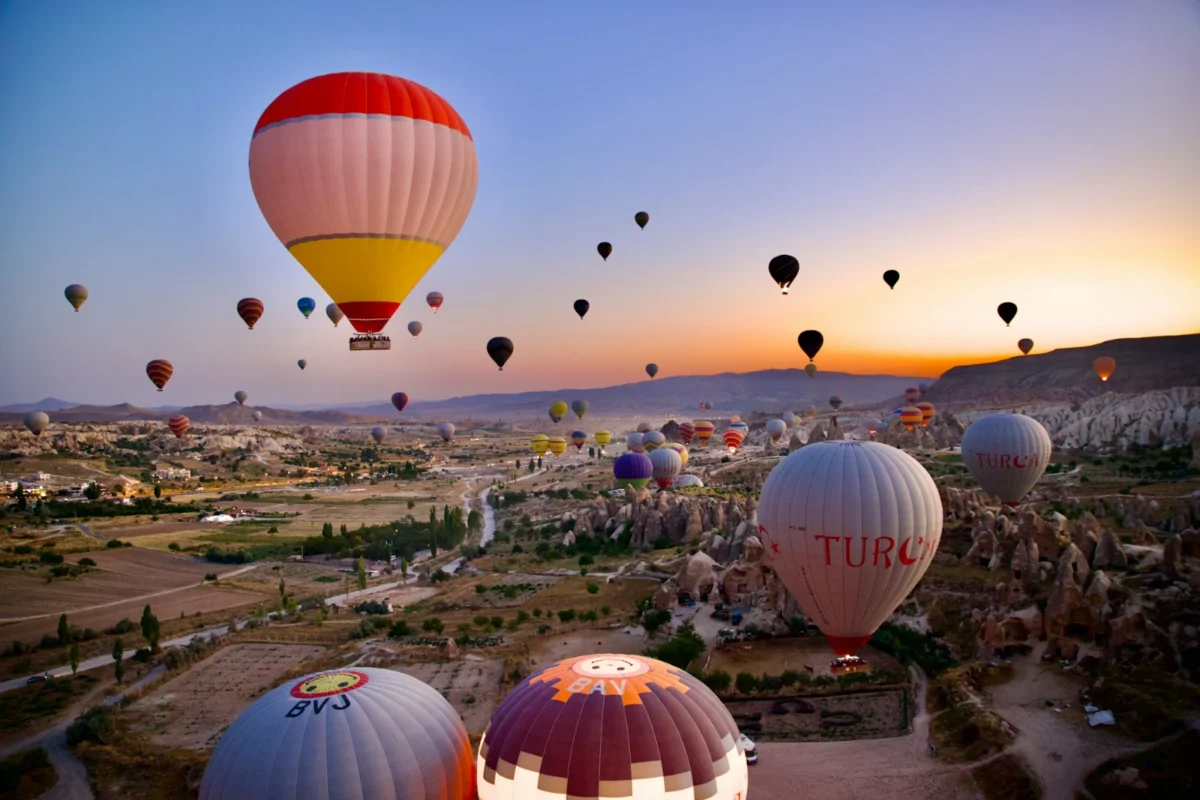
The balloons in our photo float over Cappadocia in Türkiye. On the list, it is Göreme National Park and the Rock Sites of Cappadocia. It meets four of the ten tests.
Test one fits because of its rock-cut churches. UNESCO calls them a unique artistic achievement of Byzantine art. Test three fits because of its homes, villages and churches. They show a Byzantine province from the 4th century until the Seljuk Turks arrived in 1071.
Test five fits too. It is an outstanding example of a traditional human settlement. UNESCO says it has become vulnerable to natural erosion and, more recently, to tourism.
The last match is a nature test. Erosion carved the rock into pillars known as fairy chimneys. UNESCO calls them of great beauty. So one site meets three culture tests and one nature test.
Who does what
Countries that sign the Convention are called States Parties. UNESCO urges them to nominate sites in their own country. It also urges them to set up management plans and report on the state of their sites.
UNESCO gives training and technical help. It offers urgent aid for sites in immediate danger. It also wants local people to take part in caring for their heritage.
To see how countries join the UN itself, read who is, and is not, a member of the United Nations.