
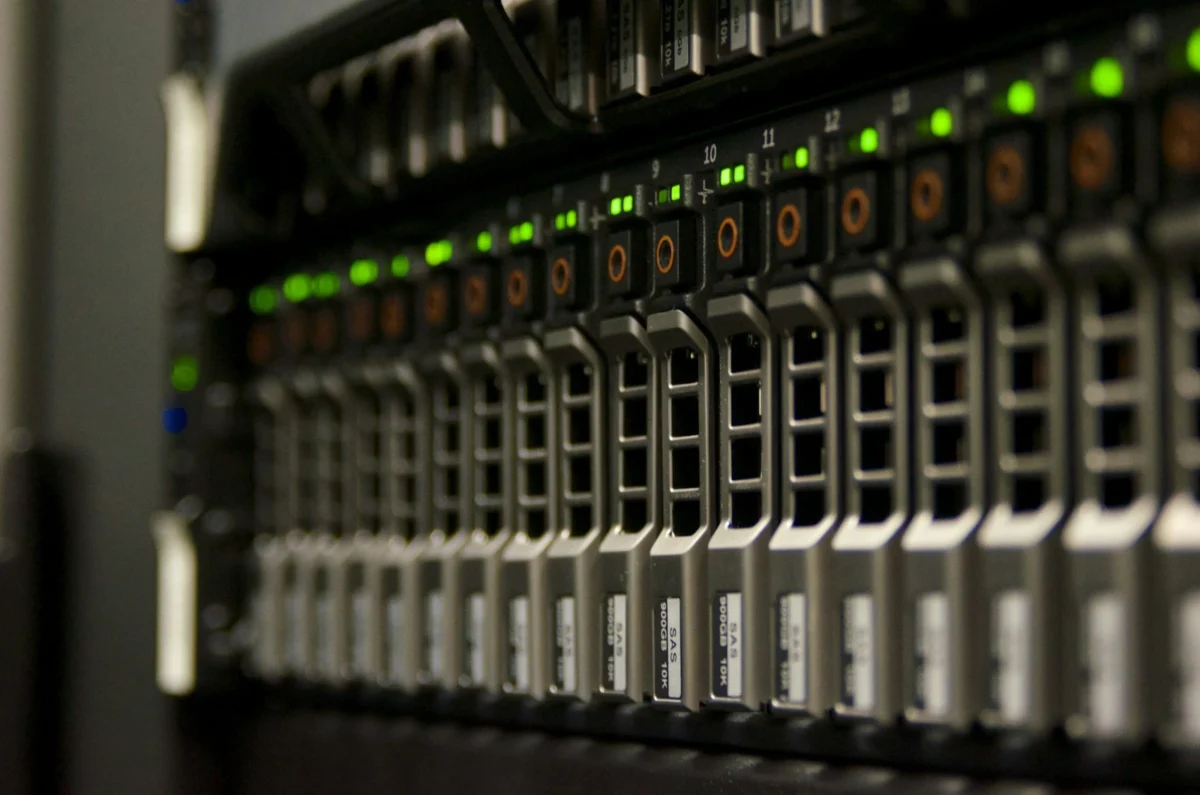
The cloud is not a cloud in the sky. It is a network of computers in big buildings, run by companies, that you reach over the internet.
The official definition, in plain words
The US National Institute of Standards and Technology, or NIST, published its definition in 2011. It describes cloud computing as a shared pool of resources, such as servers, storage and applications. You can get them on demand over a network. The provider needs to do very little.
Big providers say much the same. Google Cloud, AWS, Microsoft Azure and IBM all describe computing services delivered over the internet. All four say you pay for what you use.
Whose building holds the machines
For a public cloud, NIST says the equipment is on the premises of the cloud provider. IBM adds that you reach remote servers in large data centers. Google says those servers are owned and managed by service providers.
A private cloud is different, because one organization uses it alone. NIST says it can be run by that organization or by a third party. Azure says it can sit in the company’s own data center. Some companies pay a provider to host it instead.
You may not know the exact place
NIST says the provider’s resources are pooled to serve many customers at once. The customer generally has no control or knowledge of the exact location. You may be able to pick a country, a state or a data center.
AWS says it has infrastructure all over the world. That lets a customer place an application in several physical locations.
A server split into many
IBM explains that one hardware server can be divided into several virtual servers. This lets providers make full use of their data centers.
Five traits that define it
NIST lists five features. You can set up services yourself, when you need them. You reach them from many kinds of devices. The resources are shared. They can grow or shrink fast with demand. And usage is measured, so both sides can see what was used.
A footnote adds that this is typically done on a pay-per-use basis. So the bill can follow what you use.
The main ways to buy the cloud
NIST describes three service models. With Software as a Service, you use the provider’s apps, such as web-based email. With Platform as a Service, you run your own apps on the provider’s tools. With Infrastructure as a Service, you rent basic computing power and storage.
Azure and IBM list a fourth type, called serverless computing. IBM says you may already use it when you open Gmail, stream Netflix or play a cloud-hosted game.