GDP is the value of final goods and services a country produces in a quarter or a year. It is a big number, but it leaves some things out.
Inside the borders
The IMF says GDP counts all the output made within a country’s borders. A German-owned factory in the United States adds to US GDP. Gross national product, or GNP, counts the output of a country’s residents instead. In that case the factory would count in German GNP.
The baker and the family loaf
Not all work is counted. Unpaid work, such as housework or volunteering, is left out because it is hard to measure and value. So is black-market activity.
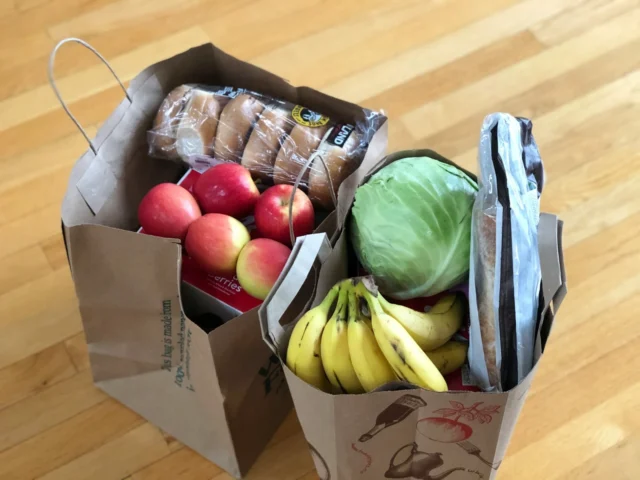
A baker who sells a loaf adds to GDP. If he bakes the same loaf for his family, it does not count, although the ingredients he bought still do.
Three ways to add it up
The IMF describes three views of the same total. One adds the value added at each stage of production. Another adds up what final users buy. The third adds up the incomes that production creates. National statistical agencies usually do the sums, and most follow international standards.
Real GDP removes the price rise
GDP is first counted at current prices. To compare two periods, it must be adjusted for inflation. The result is real GDP, which shows whether output grew because more was made or because prices rose.
When real GDP grows strongly, jobs are likely to grow too. When it shrinks, jobs often fall. Growth can also be too slow to create enough jobs.
Comparing countries takes care
Each country counts GDP in its own currency, so the numbers are usually converted into US dollars. Market exchange rates can do this. So can purchasing power parity, or PPP, rates. For most emerging market and developing countries, the two rates differ by a factor of between 2 and 4. A haircut costs less in Bishkek than in New York, even if machinery costs the same in both places.
The things GDP cannot see
GDP is not a measure of well-being, the IMF stresses. More output can come with environmental damage or less free time. It also says nothing about how GDP is shared among people. The United Nations’ Human Development Index adds life expectancy, literacy and school enrollment. The IMF notes that other alternatives have their critics too.
The IMF article is dated, so use it to understand the concepts, not for current figures.