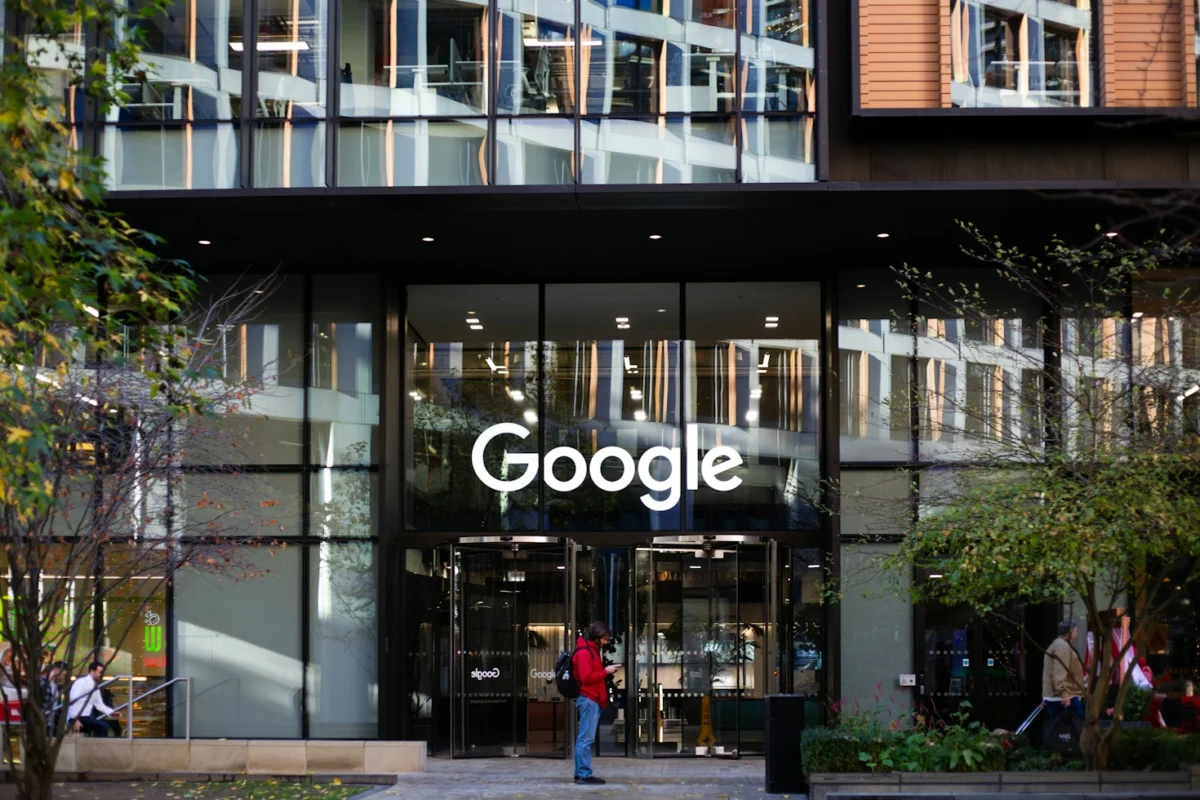
Google plans to spend $15 billion in Malaysia in 2027 and 2028. The money will build data centres and other infrastructure. The company shared the plan in Kuala Lumpur on Wednesday, 4 November.
That is a big step up. In 2024, Google promised $2 billion for its first data centre in the country.
A warehouse full of computers
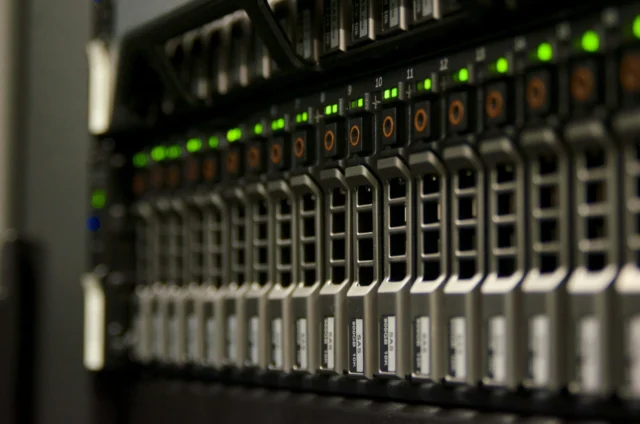
A data centre is a huge building packed with servers. A server is a strong computer that stays on day and night. Servers store photos, answer searches and run AI tools like chatbots.
When you save a file to the cloud, it lands on machines like these. Our guide to the cloud follows one file on that trip.
AI tools need a lot of this computing power. Demand for AI is the main reason Google is building more.
Seven and a half times the 2024 promise
The 2024 money paid for Google's first Malaysian data centre. It sits in Elmina Business Park, in the state of Selangor. That plan also included a Google Cloud region. A cloud region is a group of data centres that serves one part of the world.
The new plan is far larger. $15 billion is 7.5 times the $2 billion of 2024. Spread over two years, it comes to about $20 million a day. Both are our own sums.
Where the money goes
Google named four main parts of the plan:
- More buildings. Elmina will grow, and new campuses will rise in Selangor and Negeri Sembilan, another Malaysian state.
- Clean power. Google will work with the power company Tenaga Nasional Berhad. Together they plan to put over 1 gigawatt of new clean power into Malaysia's power network.
- Water. A new reservoir, a man-made lake for storing water, is planned in Negeri Sembilan. With its treatment plant, it should supply 65 million litres of clean water a day. The state government will own it once it is built.
- Skills. Four programmes aim to teach AI skills to 800,000 Malaysians by 2031.
Google expects the building work to support more than 37,000 jobs in Malaysia each year. It also expects the plan to add about $1.1 billion a year to Malaysia's GDP. GDP is the value of what a country produces.
Power and water come first
Data centres eat up electricity. Many also use water to cool their hot machines. This puts pressure on power grids, which often still run on fossil fuels.
Malaysia knows this well. In July, its deputy prime minister gave parliament a forecast. By 2035, data centres are expected to use one-third of the country's energy.
The government then made a rule for itself. It would approve new data centres only once it was sure of enough power and water.
Google promises that its new campuses will be "energy-efficient". It has also pledged to protect local water supplies and bring in more clean power.
A race much bigger than one country
Malaysia is the fastest-growing home for new data centres in Southeast Asia. It holds more than half of all data centre space being built in the region. That figure comes from the market research firm DC Byte, as AFP reported.
This matters far beyond Malaysia. Google's data centres power services like Search and Maps for people around the world. As AI use grows, so does the need for them.
But a pushback is growing in many countries. People worry about power, water and noise. They also ask how many jobs these buildings really create.
Next stop: 2027
Building is set to run through 2027 and 2028. Keep three things in mind as it starts:
- The job and GDP numbers are Google's own estimates. They are forecasts, not results.
- The clean power and the reservoir must be ready as the campuses grow.
- Google is not alone. Microsoft and Amazon have also promised billions for cloud services in Malaysia.